
Luxury interior design is no longer defined solely by premium furniture, imported stone, or curated décor. Lighting plays an equally important role in shaping atmosphere, depth, and visual sophistication. Among the most influential techniques in modern upscale interiors is architectural highlighting, the strategic use of light to emphasize textures, forms, artwork, and spatial details.
Precision LED ceiling lights have become the preferred solution for designers seeking both elegance and functionality. Their ability to direct focused illumination exactly where needed creates dramatic focal points while maintaining a clean and refined aesthetic.
Understanding how to apply these lighting principles effectively is essential for achieving balanced and luxurious interiors. This guide explores the fundamentals of architectural highlighting and how precision LED spotlights can elevate contemporary luxury spaces with sophistication and precision.
What Is Architectural Highlighting in Luxury Interior Design
Architectural highlighting refers to the intentional use of focused lighting to emphasize specific design elements within an interior space. Instead of providing general illumination alone, this lighting technique draws attention to textures, artwork, structural details, furniture, or decorative features. In luxury interiors, architectural highlighting creates depth, visual hierarchy, and a sense of sophistication that enhances the overall ambiance.
Precision LED spotlights are central to this approach because they provide controlled and targeted illumination. Whether accentuating marble walls, sculptural staircases, or curated art collections, spotlighting adds drama and elegance while preserving the harmony of the space.
Why Precision LED Spotlights Matter in Modern Luxury Spaces
Modern luxury interiors prioritize clean aesthetics, flexibility, and functionality. Precision LED spotlights align perfectly with these demands by delivering focused illumination without visual clutter. Their compact design allows them to blend seamlessly into ceilings, walls, or architectural recesses.
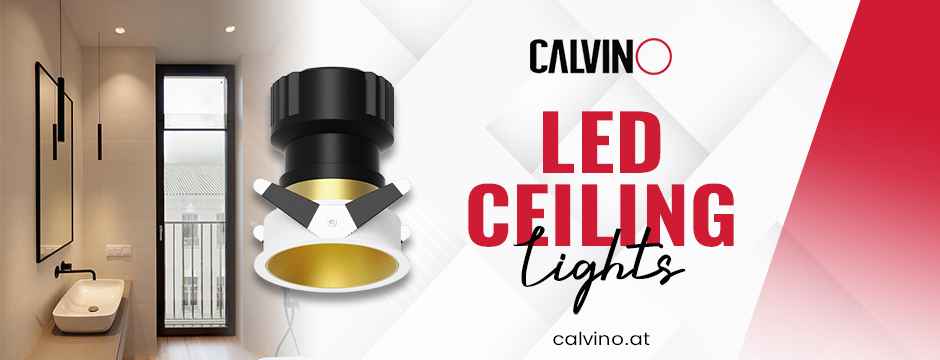
LED ceiling lights also offer exceptional efficiency and longevity compared to traditional lighting systems. Designers appreciate their ability to produce consistent brightness with minimal energy consumption. Additionally, advanced spotlight systems now support dimming, directional adjustments, and smart controls, enabling homeowners to customize mood and ambiance effortlessly.
Key Principles of Architectural Accent Lighting
Effective architectural highlighting relies on balance and intentionality. One of the most important principles is focal hierarchy. Not every element should compete for attention. Designers must identify primary visual features and highlight them selectively.
Contrast is another critical factor. Accent lighting works best when there is a noticeable difference between ambient lighting and highlighted areas. This contrast creates depth and visual interest.
Layering also plays a significant role. Combining ambient, task, and accent lighting produces a multidimensional environment that feels luxurious and inviting. Precision LED spotlights are most effective when integrated thoughtfully within these lighting layers.
Types of LED Spotlights Used in Premium Interiors
Luxury interiors utilize several types of LED spotlights depending on the desired effect and architectural requirements.
- Recessed spotlights: They are among the most popular choices because they provide a sleek and minimalist appearance. They are commonly used in modern homes and galleries.
- Adjustable gimbal spotlights: It allow directional control, making them ideal for highlighting artwork or textured surfaces.
- Track-mounted LED spotlights: It offer flexibility and are frequently used in open-plan spaces where lighting needs may evolve.
- Surface-mounted spotlights: They are preferred in interiors where recessed installation is not possible, but a sophisticated aesthetic is still desired.
How to Choose the Right LED Spotlights for Different Spaces
Selecting the right spotlight depends on the room’s function, ceiling height, and overall design concept. In living rooms, warm and adjustable spotlights help create a comfortable and inviting atmosphere. Kitchens often require brighter task-oriented lighting with precise directional control.
For bedrooms, softer spotlight intensity enhances relaxation while still emphasizing architectural features. Galleries and display spaces benefit from high-precision spotlights with excellent color rendering to showcase artwork accurately.
Designers should also consider fixture size, trim style, and compatibility with dimming systems to ensure cohesive integration within the interior design.
Beam Angles, Light Layers, and Focal Point Techniques
Beam angle significantly influences how light interacts with a space. Narrow beam angles create concentrated illumination ideal for highlighting sculptures, artwork, or architectural details. Wider beam angles distribute light more broadly and work well for general accent lighting.
Layered lighting design enhances spatial richness. Ambient lighting establishes overall brightness, task lighting supports functionality, and accent lighting introduces drama and visual direction.
Focal point techniques involve strategically positioning spotlights to guide the eye toward important design features. Proper spacing and angling prevent uneven brightness and ensure a refined visual balance.
Color Temperature and CRI Selection for Luxury Interiors
Color temperature greatly impacts the mood of an interior. Warm white lighting between 2700K and 3000K is commonly used in luxury residential settings because it creates comfort and elegance. Cooler temperatures may be suitable for contemporary commercial interiors or gallery spaces.
CRI, or Color Rendering Index, is equally important. High-CRI LED ceiling lights accurately reveal colors, textures, and materials. In luxury interiors, designers generally prefer CRI ratings above 90 to maintain the authenticity of artwork, fabrics, wood, and stone finishes.
Careful selection of color temperature and CRI ensures that spotlighting enhances the space rather than distorting its visual appeal.
Best Placement Strategies for Precision Spotlighting
Strategic placement is essential for achieving effective architectural highlighting. Spotlights should never create harsh glare or overpower surrounding elements. Instead, they should enhance depth and visual rhythm.
Wall washing techniques evenly illuminate textured walls or architectural surfaces, while angled spotlighting emphasizes artwork and decorative objects. Ceiling height and furniture placement also influence spotlight positioning.
Spacing consistency is another important consideration. Uneven placement can disrupt the visual harmony of a room. Professional lighting designers often use precise calculations to achieve balanced illumination throughout the space.
Architectural Highlighting Ideas for Living Rooms, Kitchens, and Galleries
In living rooms, precision spotlights can highlight fireplaces, shelving units, textured walls, or statement furniture pieces. Layered spotlighting creates warmth and sophistication without excessive brightness.
Kitchens benefit from focused task lighting over islands, counters, and dining areas. Under-cabinet spotlight integration also enhances functionality while maintaining a clean aesthetic.
In galleries or art-focused interiors, adjustable LED spotlights allow curators and homeowners to emphasize specific pieces while preserving accurate color representation. Proper beam control prevents shadows and reflections that could distract from the artwork.
Minimalist vs Dramatic Spotlighting Approaches
Minimalist spotlighting emphasizes subtlety and restraint. Fixtures are often concealed, and lighting effects remain soft and understated. This approach works particularly well in contemporary interiors where simplicity is prioritized.
Dramatic spotlighting, on the other hand, embraces contrast and theatrical effects. Strong focal illumination, deep shadows, and directional lighting create a bold visual experience. Luxury hotels, restaurants, and statement residences frequently adopt this style to enhance atmosphere and emotional impact.
Both approaches can be highly effective when aligned with the overall design vision.
Smart Lighting Controls and Dimming Integration
Modern luxury interiors increasingly incorporate smart lighting systems for convenience and customization. Precision LED ceiling lights integrated with smart controls allow users to adjust brightness, color temperature, and lighting scenes with ease.
Dimming functionality is especially valuable in architectural highlighting because it enables dynamic mood transitions throughout the day. Automated lighting schedules and voice-controlled systems further enhance comfort and efficiency.
Smart integration also supports energy management by reducing unnecessary power consumption without compromising lighting quality.
Common Mistakes to Avoid in Architectural Spotlight Design
One of the most common mistakes that people make while one buy recessed LED ceiling lights online is over-lighting a space. Excessive spotlighting can eliminate depth and create visual fatigue. Another issue is poor beam angle selection, which may produce uneven illumination or unwanted glare.
Improper placement can also disrupt balance and diminish the intended focal effect. Low-quality LED fixtures with poor CRI ratings often fail to showcase materials accurately, reducing the overall luxury feel of the interior.
Ignoring dimming compatibility and lighting layers may result in a flat and inflexible environment lacking sophistication.
Energy Efficiency and Long-Term Performance Considerations
LED technology has transformed luxury lighting by offering exceptional energy efficiency and durability. High-quality LED spotlights consume significantly less energy than traditional halogen systems while maintaining superior brightness and consistency.
Long operational lifespan reduces maintenance requirements, making LED systems ideal for premium residential and commercial interiors. Advanced thermal management also helps preserve performance over time.
Investing in high-performance architectural lighting solutions ensures lasting visual impact while supporting sustainability goals and reducing operational costs.
End Notes
Architectural highlighting is one of the most powerful tools in luxury interior design, allowing designers to shape atmosphere, emphasize beauty, and create unforgettable spatial experiences. Precision LED ceiling lights offer unmatched flexibility, efficiency, and elegance, making them essential for modern upscale interiors.
From beam angle selection to smart lighting integration, every detail contributes to achieving refined and visually balanced spaces. For premium architectural lighting solutions that combine innovation, performance, and sophisticated design, explore our solutions at Calvino.